-
Transplanting Trees: A Guide to Removal and Replanting in Your Yard
Reimagining Your Landscape: The Art of Successful Transplanting
Amidst the evolving landscaping trends and changing preferences in outdoor aesthetics, the process of removing and transplanting trees has gained popularity. Whether you’re looking to redesign your yard or rescue a beloved tree from an inconvenient spot, the art of safely removing and replanting trees requires careful consideration and strategic planning. Check out Tree Stump Removal Berkshire service and let the professionals do the hard job.
The first step in this arboreal ballet is the delicate process of tree removal. Before diving into the task, it’s essential to assess the health and size of the tree. For larger specimens, it might be prudent to seek professional arborist services to ensure a safe and efficient removal. Start by clearing the area around the tree, removing any obstacles or debris that might impede the process. The next step involves strategic pruning to reduce the tree’s size, making it more manageable for the transplant.
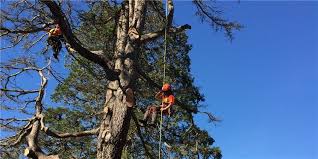
Once the tree is prepared, the actual removal involves a combination of careful cutting and excavation around the root system. It’s crucial to preserve as much of the root ball as possible, as this will significantly impact the tree’s ability to adapt to its new environment. Patience is key in this step; rushing the process might compromise the tree’s overall health and transplant success.
With the tree safely removed, the next phase involves replanting it in its new home. Begin by preparing the new location, ensuring that the soil is well-aerated and enriched with nutrients. Dig a hole that is slightly larger than the tree’s root ball, providing ample space for the roots to expand. Gently place the tree in the hole, ensuring that it stands upright and at the same level as it was in its original location.
Backfill the hole with soil, packing it gently to eliminate air pockets. Water the tree thoroughly to settle the soil and support the establishment of the roots. In the weeks following the transplant, monitor the tree closely, providing adequate water and perhaps a layer of mulch to retain moisture. Be mindful of any signs of stress, such as wilting leaves, and make adjustments accordingly.
In conclusion, the process of removing and transplanting a tree is a careful orchestration that requires a delicate touch and thoughtful consideration. By approaching it with patience, strategic planning, and a commitment to the tree’s well-being, you can not only give your yard a fresh look but also ensure the continued health and vitality of a tree that might have otherwise faced removal.